Many business owners and risk managers operate under a dangerous assumption: if they have an active insurance policy, their assets are secure. However, corporate landscapes evolve much faster than standard insurance forms. Legacy insurance frameworks frequently contain hidden vulnerabilities that remain unnoticed until a catastrophic event occurs.
Evaluating historical and existing policies for coverage deficits is a highly profitable strategy to ensure organizational resilience. By identifying exactly where older terms fall short against modern operational hazards, you can prevent millions in uncovered operational losses.
Understanding Insurance Coverage Deficits
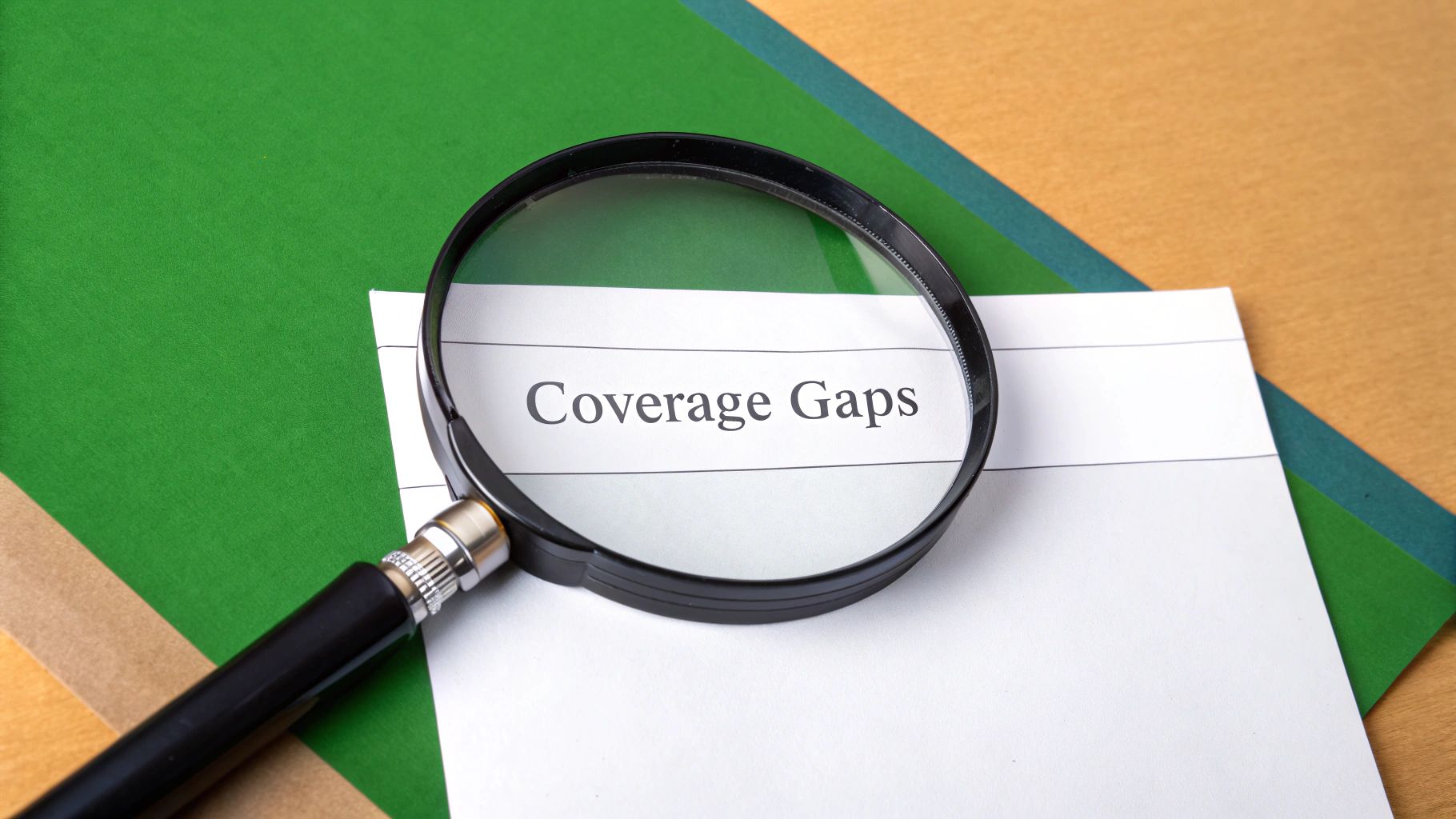
An insurance coverage gap refers to a structural mismatch between your current corporate risk profile and the actual limits or conditions specified in your insurance contracts. These deficits typically manifest as:
A. Explicit Exclusions: Direct clauses stating that specific events or damages are completely uncompensated.
B. Insufficient Indemnity Limits: Maximum payout caps that have not adjusted for standard asset inflation.
C. Obsolete Language: Legal definitions from past decades that fail to encompass digital assets or global supply chains.
The primary driver behind these gaps is institutional drift. When organizations update their technology, expand geographic footprints, or alter product lines without auditing legacy policies, severe financial exposures inevitably occur.
Crucial Corporate Domains with Severe Insurance Risks
When auditing legacy commercial agreements, focus on several critical operational areas where traditional insurance frameworks regularly fall short:
1. Advanced Electronic Threats and Intellectual Property
Traditional commercial general liability plans were engineered to protect physical spaces, such as an office slip-and-fall. They are fundamentally unequipped to handle modern cyber risks.
A. Ransomware extortion and complex operational paralysis.
B. Digital dynamic theft, intellectual property loss, and proprietary source code exposure.
C. Regulatory penalties linked to international data breaches (e.g., GDPR, CCPA).
Relying on standard property or legacy liability wording to cover digital asset destruction is a major financial risk.
2. Supply Chains and Operational Disruptions
Standard business interruption insurance compensates you only if your specific physical facility suffers direct, tangible damage. Modern enterprise models depend on a fragile web of international third-party vendors. Legacy policies frequently fail to cover:
A. Supplier insolvency or localized physical destruction at a critical raw material hub.
B. Geopolitical bottlenecks or port shutdowns that halt inbound distribution without damaging your retail footprint.
C. Utility, data center, or cloud provider infrastructure outages.
3. Regulatory Shifts and Compliance Risks
State, federal, and international regulatory environments change rapidly. A policy written just five years ago might not cover current environmental standards, shifting workplace safety rules, or modern corporate governance liabilities.
A. Changes in localized environmental clean-up liabilities.
B. Employment practices liabilities involving digital workplace communications.
C. Evolving compliance standards for executive decisions and board of directors governance.
Step-by-Step Strategic Corporate Audit Protocol
To comprehensively unearth and remediate insurance deficits before a crisis happens, risk managers must deploy a rigorous, programmatic evaluation process.
+-------------------------------------------------------------+
|               1. Asset and Liability Mapping                |
|  Document all current real-world assets and exposure points |
+-------------------------------------------------------------+
                              |
                              v
+-------------------------------------------------------------+
|              2. Granular Policy Deconstruction              |
|   Analyze declaration pages, definitions, and exclusions    |
+-------------------------------------------------------------+
                              |
                              v
+-------------------------------------------------------------+
|                3. Stress-Testing Scenarios                 |
|   Simulate extreme events against legacy policy structures  |
+-------------------------------------------------------------+
                              |
                              v
+-------------------------------------------------------------+
|             4. Strategic Broker Reconciliation              |
| Negotiate modern endorsements or restructure policy lines  |
+-------------------------------------------------------------+
Phase A: Asset and Liability Mapping
You cannot protect what you have not quantified. Begin by constructing a comprehensive corporate exposure matrix. This requires cross-departmental collaboration to compile:
A. An updated inventory of all physical assets, calculated at true current replacement value rather than historical book value.
B. A detailed map of your digital footprint, containing database volumes, SaaS dependencies, and intellectual property.
C. A clear overview of third-party vendor dependencies, tracking single points of failure in your supply chain.

Phase B: Granular Policy Deconstruction
Review your insurance contracts thoroughly, paying close attention to the fine print. Do not skim the summary sheets; instead, analyze the underlying language in detail.
A. Analyze the Definitions Section: Ensure terms like “property,” “occurrence,” and “data” match current operational realities. For instance, if your policy defines property solely as “tangible material assets,” your entire digital inventory is completely uncovered.
B. Examine Exclusions and Endorsements: Carefully review the exclusions section of your policy. Look for restrictive endorsements that may have been added over time to reduce the insurer’s liability, such as exclusions for microchip shortages or specific chemical groups.
C. Calculate Deductibles and Aggregate Limits: Evaluate whether your current deductibles match your cash flow capabilities, and ensure aggregate payout limits are high enough to survive multiple concurrent claims.
Phase C: Stress-Testing Scenarios
Subject your historical policy structures to simulated modern crises. Run tabletop exercises evaluating how your current insurance framework would handle specific scenarios.
A. A prolonged ransomware attack that takes out primary operations for 14 business days.
B. A major climate event that destroys a key third-party component manufacturer in Southeast Asia.
C. A class-action product liability lawsuit involving modern materials or digital services.
Document exactly where coverage is dropped, where sub-limits restrict payouts, or where the policy language remains completely silent.
Phase D: Strategic Broker Reconciliation
Take your completed gap analysis directly to your insurance advisors. Do not approach negotiations passively. Instead, use your data to drive targeted policy adjustments.
A. Demand tailored endorsements that explicitly delete obsolete exclusions.
B. Consolidate fragmented policies into comprehensive, modern risk structures to eliminate finger-pointing between different insurers during a multi-layered claim.
C. Invest in specialized standalone lines, such as dedicated cyber liability or contingent business interruption insurance, rather than relying on basic general packages.
Commercial Insurance Evaluation Framework
To help you assess your current coverage, use this standard baseline matrix to track where common legacy deficits appear across major corporate insurance lines:
| Insurance Line | Common Historical Baseline | Modern Risk Realities | Typical Coverage Deficit |
| Commercial Property | Physical building structure and office equipment protection. | Cloud infrastructure, digital databases, remote workspace assets. | Total denial of claims involving digital asset destruction or off-premise server damage. |
| Business Interruption | Compensation tied to direct physical damage at the primary office. | Complex global supply chains, third-party software outages. | No payout for revenue lost due to a critical software vendor’s system crash. |
| General Liability | Third-party bodily injury and tangible property damage coverage. | Algorithmic errors, online defamation, modern data privacy slips. | Complete lack of defense funds for digital civil suits or regulatory fines. |
| Directors & Officers (D&O) | Basic financial mismanagement defense for executives. | Complex ESG mandates, cyber security oversight liabilities. | Personal financial exposure for executives facing shareholder suits over security breaches. |

Long-Term Risk Management Best Practices
Fixing your policy gaps once is not enough. To maintain strong corporate protection over time, build continuous risk assessment into your core business operations.
Key Rule for Risk Managers: Insurance policies are dynamic contracts that require active maintenance. A policy left unreviewed for over 12 months should be considered an active corporate risk.
A. Establish an Annual Audit Cycle: Schedule formal insurance reviews every year, timed at least 90 days before your policies renew. This gives you plenty of time to shop the market if your current carrier refuses to modify outdated language.
B. Integrate Insurance Reviews into Change Management: Make policy reviews a mandatory step whenever your business undergoes major changes, such as acquiring another company, launching new digital products, or entering international markets.
C. Work with Specialized Corporate Brokers: Avoid general brokers who handle standard retail accounts. Partner instead with institutional risk advisors who specialize in your specific industry and understand its unique vulnerabilities.
By taking a disciplined, proactive approach to evaluating old policy gaps, you protect your bottom line from unexpected liability spikes. This safeguards your organization’s long-term financial health, ensuring you remain resilient even in a highly unpredictable market.