

Choosing a high-deductible car insurance policy is a highly effective way to reduce your monthly premium payments. By agreeing to pay a larger amount out of pocket before your coverage kicks in, you present a lower immediate risk to your insurance provider, who rewards you with lower structural costs.
However, the true test of this financial strategy comes when you actually need to file a claim. If an unexpected accident, severe storm, or sudden act of vandalism occurs, you are suddenly faced with the reality of paying a substantial sum frequently between $1,000 and $2,500 before your insurance company provides any financial assistance. Navigating this situation successfully requires strategic foresight, clear structural planning, and active management of the repair and evaluation process.
1. Demystifying the High Deductible Ecosystem
To manage your financial responsibilities effectively, you must first understand exactly how your deductible functions within your broader policy framework. A deductible is not a general fee paid to your insurance company; rather, it is the specific portion of a loss that you agree to pay yourself before your policy pays for repairs.
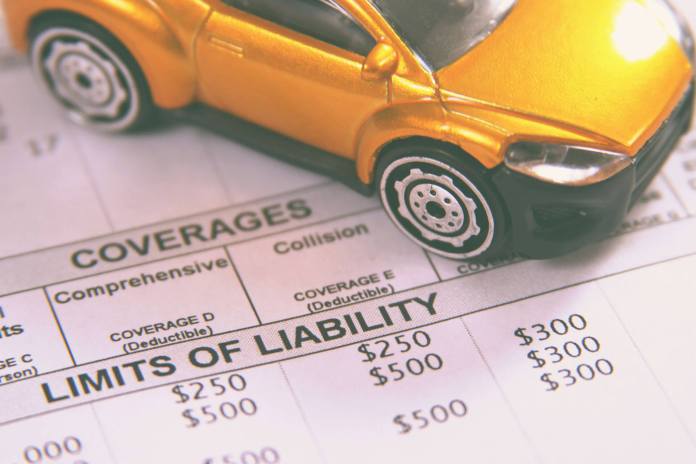
When you choose a higher out-of-pocket threshold, you must look closely at the individual coverage types within your policy. High deductibles typically apply to two main areas:
A. Collision Coverage: This pays for damage to your vehicle resulting from an accident with another car or a stationary object, regardless of who caused the accident.
B. Comprehensive Coverage: This handles damage caused by events outside your control, such as animal collisions, falling trees, theft, vandalism, hail, or fire.
+--------------------------------------------------------+
|                   TOTAL REPAIR COST                    |
+---------------------------+----------------------------+
|   YOUR HIGH DEDUCTIBLE    |     INSURANCE COMPANY      |
|    (Paid Out of Pocket)   |       PAYS THE REST        |
+---------------------------+----------------------------+
Understanding this breakdown ensures you will not be caught off guard by different out-of-pocket limits when a crisis occurs.
2. Deciding Whether to File a Claim
When your vehicle is damaged and you have a high deductible, your first major decision is determining whether filing an official insurance claim is actually in your best financial interest. If the total cost of repairs is close to or lower than your deductible amount, filing a claim can be a costly mistake.
Consider this mathematical reality: if you have a $1,500 deductible and a local body shop estimates the total repair cost at $1,700, your insurance company will only pay $200. Filing that claim creates an official record on your insurance history, which could cause your premium rates to increase for several years.
To determine the best path forward, use this simple formula to assess the long-term financial impact:
If your calculated Net Insurance Benefit is a small amount, paying for the repairs entirely out of pocket without involving your insurance provider is usually the most practical choice.
3. Immediate Steps Following an Incident
If you experience an incident that causes severe damage well beyond your deductible limit, taking immediate, organized action is essential to protect your eventual financial payout.

Following a standard, systematic process helps prevent insurance companies from delaying your payout or disputing your repair costs:
4. Navigating the Insurance Adjuster Process
The insurance adjuster’s job is to evaluate the damage to your vehicle and determine how much the insurance company is legally required to pay. Because you are responsible for a significant high-deductible amount, you need to closely review the adjuster’s itemized calculations.
Adjusters use specialized software to calculate local labor rates and part replacement costs. Sometimes, their initial assessment may use cheaper aftermarket or used components rather than Original Equipment Manufacturer (OEM) parts.
If their final estimate is lower than the actual cost to repair your car, you have the right to challenge their findings. Present your independent repair estimates to prove that the adjuster’s calculation is unrealistic for your local market.
5. Strategic Ways to Fund Your Deductible
Finding the money to cover a large, unexpected deductible can look intimidating if you do not have an active emergency fund ready. Fortunately, there are several practical ways to manage this financial responsibility without taking on high-interest debt:
A. Dedicated Emergency Savings: The safest approach is to keep your exact deductible amount in a high-yield savings account, untouched until an accident occurs.
B. Body Shop Payment Agreements: Many independent repair shops offer internal financing options or structured installment plans, allowing you to split your out-of-pocket costs over several months.
C. Deductible Financing Programs: Some specialized financial institutions offer short-term, low-interest loans specifically designed to cover auto repair deductibles.
D. Credit Card Promotional Windows: Utilizing a credit card with a 0% introductory APR period lets you pay your repair bill immediately while giving you up to a year to pay off the balance interest-free.
Using these options carefully helps you avoid financial stress while your vehicle is being repaired.
6. How Subrogation Protects Your Wallet
If you are involved in an accident where another driver is completely at fault, you may not have to absorb your high deductible permanently. This recovery process is known as subrogation.
[ Your Insurance Company ] ---> Demands Reimbursement ---> [ At-Fault Driver's Insurer ]
           |                                                            |
           +----------------- Returns Your Deductible <-----------------+
When you file a claim through your own insurance provider, they will pay for your repairs (minus your deductible) and then pursue the at-fault driver’s insurance company for reimbursement. If your company successfully recovers the funds, they are legally required to return your deductible to you.
While subrogation can take several months to resolve, maintaining detailed records and staying in touch with your claims adjuster can speed up the return of your money.
7. Maximizing Value During the Repair Process
When your vehicle is in the shop and you are paying a large deductible, you have a unique opportunity to manage the repair process to maximize your vehicle’s long-term value.
Because you are paying for a significant portion of the work out of pocket, you have a lot of leverage as a customer. Talk openly with the shop manager about how they source their components.
If your vehicle is relatively new, insist on using OEM parts to preserve your car’s structural integrity and resale value. If you are looking for ways to save money, you can ask the shop to use certified recycled or high-quality aftermarket components for non-structural elements like mirrors or cosmetic trim.
8. Smart Strategies to Lower Future Out-of-Pocket Risk
Once your current claim is resolved, take some time to review your coverage strategy to ensure you are balanced for the future. A high-deductible approach is only successful if you actively manage your ongoing financial risks.
Evaluate whether your high deductible still matches your current financial situation by reviewing these core areas:
A. Deductible Vaulting: Set up an automated monthly transfer that moves $50 to $100 into a separate account until your total savings match your exact policy deductible.
B. Vanishing Deductible Benefits: Look into insurance companies that offer disappearing or vanishing deductible rewards, which lower your out-of-pocket costs for every year you drive safely without an accident.
C. Policy Recalibration: If your vehicle’s overall market value drops significantly as it ages, consider lowering your deductible or dropping collision and comprehensive coverage entirely to save money.
Conclusion: Long-Term Management Strategies
Managing a high-deductible auto insurance claim successfully comes down to preparation, clear communication, and financial planning. By understanding your policy rules, documenting every detail of an incident, and maintaining a dedicated emergency fund, you can enjoy the lower monthly premiums of a high-deductible policy without stressing when an unexpected accident occurs. Treat your insurance policy as a tool for major financial protection, and manage your everyday repair costs with careful planning and smart financial choices.