

The insurance industry, historically known for its dense paperwork, conservative marketing, and reliance on face-to-face meetings, is experiencing a massive disruption. The driving force behind this change is social media. Platforms like TikTok, Instagram, and YouTube have transformed how financial products are perceived, discussed, and sold.
Historically, insurance agents served as the main gatekeepers of policy information. Consumers had to schedule calls or read through multi-page policy forms to understand their coverage options. Today, younger demographics are bypassing these traditional avenues entirely. Instead of calling a local agent, modern consumers turn to independent digital creators and short-form video content to learn about deductibles, compare liability options, and evaluate claim processing experiences.
This transformation is fueled by a shifting baseline of customer trust. While older demographics still favor traditional communication channels like telephone calls and email correspondence, younger generations express a strong preference for digital-first interactions. According to recent data, a significant majority of consumers research policy choices online before initiating a purchase, and a rapidly expanding cohort relies directly on social media networks to track evolving industry trends.
The Rise of Educational “FinTok” Influencers
A major pillar of this transformation is the growth of financial content creators, often referred to as the “FinTok” community on TikTok or personal finance influencers on Instagram and YouTube. These creators have successfully filled an educational void that traditional insurance institutions left open for decades.
Corporate insurance web pages frequently prioritize sales messaging, instant quote generation tools, and generic marketing copy over deep user education. Influencers, conversely, build audiences by leading with practical, educational value without immediate sales pressure. They unpack complex risk management concepts using accessible language and relatable analogies.
+-------------------------------------------------------------------+
|                     THE 80/20 SOCIAL MEDIA RULE                   |
+-------------------------------------------------------------------+
|  [ 80% Educational & Engaging Content ]  | [ 20% Direct Sales ]   |
|  - Real-world claim breakdowns           | - Quote requests       |
|  - Explanations of risk policies         | - Product promotions   |
|  - Interactive financial tips            | - Policy sales pushes  |
+-------------------------------------------------------------------+
Successful digital creators adhere strictly to the 80/20 rule of content distribution: eighty percent of published content focuses on education, entertainment, or community-centric value, while only twenty percent directly promotes specific insurance products or requests a quote. This structure builds a deep layer of social proof, establishing a high baseline of trust long before a user enters the sales funnel.
Embedded Insurance Inside Social Commerce Platforms
The convergence of insurance and social media has moved far beyond content creation. In a historic shift for commercial risk distribution, social commerce platforms have begun embedding insurance policies directly into their e-commerce ecosystems. This model allows merchants and small-to-medium enterprises (SMEs) to secure vital coverage without leaving the platform where they manage their businesses.
A prime example of this trend is TikTok Shop’s partnership with digital insurtech provider ERGO NEXT Insurance. This collaboration allows commercial vendors to buy essential commercial lines—such as general liability, professional liability, workers’ compensation, and cybersecurity coverage—directly within the app’s Seller Centre interface.
Traditional Underwriting Process:
[Long Questionnaires] -> [Manual Underwriting] -> [Broker Negotiations] -> [Policy Issued]

Embedded App Underwriting Process:
[Platform Merchant Data] -> [Automated Underwriting] -> [Instant Checkout Purchase]
By leveraging pre-existing merchant profile data held by the platform, the enrollment workflow reduces long questionnaires and eliminates administrative friction. This approach captures business owners contextually at the digital point of sale, converting insurance from an easily delayed chore into an instantaneous add-on. Market research indicates that nearly half of all small businesses offered embedded insurance through digital marketplaces choose to purchase it, representing a substantial lift in conversion rates over traditional sales pipelines.
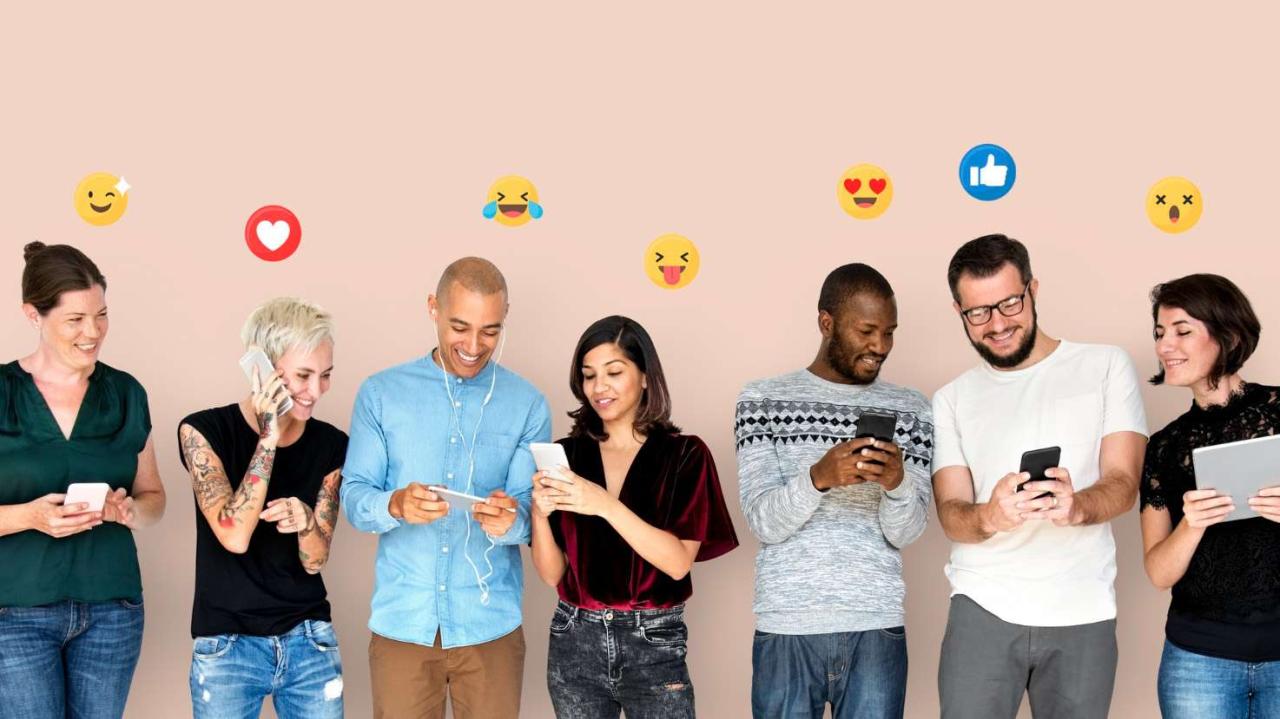
Demographics and Platform Behavior Shifts
Understanding consumer demographics is vital for evaluating social media insurance trends. Audience preferences vary significantly depending on the platform used, requiring distinct communication strategies for different age groups.
A. Older Demographics on Facebook and YouTube Consumers over the age of fifty lean heavily toward Facebook and YouTube when researching long-term financial commitments. This segment responds well to comprehensive, structured explanations, client testimonials, and long-form video interviews. Insurance agents specializing in Medicare, estate planning, and retirement-linked products find their highest conversion rates by maintaining an informative presence on these specific platforms.
B. Millennials and Gen Z on TikTok and Instagram Younger consumers, who are currently buying their first homes, renting apartments, or establishing digital businesses, prefer visual-first platforms like TikTok, Instagram, and Threads. This cohort generally rejects long, dry policy documents and corporate advertising. They demand fast, transparent, and mobile-friendly communication that integrates cleanly into their daily social feeds.
C. The Correlation with Daily Usage Academic research confirms that a user’s daily social media engagement directly correlates with their acceptance of corporate brand presences on those platforms. As younger, digital-native individuals age into primary insurance consumers, their willingness to interact with insurers through social media messaging apps is rapidly approaching the acceptance levels historically reserved for phone and email communications.
Key Benefits of Social Media Distribution
The migration of insurance marketing to social media networks delivers distinct competitive advantages for both global insurance carriers and independent localized agencies.
                      BENEFITS OF SOCIAL DISTRIBUTION
                                     |
         +---------------------------+---------------------------+
         |                                                       |
Vibrant Video Formats                                    Lower Acquisition Costs
- Higher consumer engagement                             - Eliminates traditional brokers
- Simplifies complex deductibles                         - Uses organic social algorithms
- Humanizes corporate identities                         - Direct-to-consumer targeting
High-Engagement Video Formats
Data shows that more than sixty percent of modern consumers find video and image-driven content to be the most engaging online format. Short, direct-to-camera videos filmed on smartphones often outperform highly polished corporate advertisements because they feel more authentic and transparent. A sixty-second breakdown of a renters’ insurance claim after a localized fire resonates more deeply with viewers than a standard, text-heavy marketing brochure.
Lower Customer Acquisition Costs
By embedding policies within social shopping networks and utilizing organic social distribution algorithms, insurance providers can lower traditional marketing and brokerage expenses. This direct-to-consumer approach passes cost savings downward, reducing premium barriers and addressing underinsurance gaps among smaller digital merchants who might otherwise view coverage as too expensive or complex.
Challenges, Risks, and Compliance Obstacles
Despite the obvious opportunities, the marriage of insurance and social media presents serious operational hurdles that risk managers and digital marketers must navigate carefully.
A. Strict Regulatory and Compliance Standards The insurance sector is heavily regulated to protect consumers from misleading financial advice. Social media posts, comments, and video scripts are legally classified as advertising materials and must adhere to strict compliance guidelines. Influencers who provide broad financial commentary often lack the formal licensing required to assess complex risk profiles, compare distinct carriers strategically, or advocate during complex claim disputes. Misrepresenting policy features—even accidentally—can result in severe regulatory fines for the partnering insurance brand.
B. The Claims Disconnection Fear Some commercial buyers hesitate to purchase automated insurance products via social commerce checkouts due to concerns over subsequent claims management. There is a persistent fear that automated point-of-sale onboarding leads to a disconnected, faceless claims process when a crisis occurs. For complex, bespoke business liabilities, many owners still prefer the personalized guidance and advocacy of a traditional human broker.
C. Evolving Media Liability Risks As brands redirect their marketing investments toward large-scale influencer partnerships, new liability exposures emerge. Misleading claims made by a creator, unauthorized use of copyrighted background music in a viral video, or accidental trademark infringements create legal liabilities. This has forced the insurance sector to innovate internally, creating specialized media liability and errors and omissions (E&O) insurance policies specifically designed to protect the creator economy and the brands that hire them.
Best Strategies for Modern Insurance Brands
To successfully capitalize on these viral trends, insurance companies and independent agents must evolve their digital marketing blueprints.
                     STRATEGIC INSURANCE BLUEPRINT
                                   |
        +--------------------------+--------------------------+
        |                                                     |
Hyper-Personalized Content                               Social Listening Metrics
- Align with critical life stages                         - Track premium affordability spikes
- Address specific audience funnels                       - Monitor real-time claim delays
- Craft niche-focused messaging                           - Drive dynamic ad variations
Architecting Hyper-Personalized Content Journeys
Insurance purchases are almost always triggered by specific, real-world life events: securing a first job, expanding a family, launching a business, or entering retirement. Social media content must be segmented to mirror these specific milestones:
A. For Young Professionals Focus heavily on short-form visual content emphasizing digital-first policy management, renters’ insurance affordability, and foundational coverage basics.
B. For Growing Families Prioritize the clear value of bundled home and auto policies, umbrella liability protection, and life insurance safeguards, framed through relatable everyday family stories.
C. For Small Business Owners Deliver straightforward, jargon-free breakdowns of general liability, professional indemnity, and cyber risk mitigation, emphasizing timesaving digital onboarding.

Leveraging Real-Time Social Listening
Forward-thinking insurance brands use advanced social listening tools to track shifting audience sentiments across platforms in real time. If data tracking reveals a sudden spike in online conversations regarding “premium affordability,” marketing teams can immediately deploy targeted cost-calculator widgets. Conversely, if public frustration grows regarding widespread “claim delays” after a natural disaster, an agency can pivot its content strategy to emphasize claims transparency and rapid turnaround guarantees.
Conclusion: The Next Wave of Insurance Evolution
The rise of viral insurance trends on social media is not a temporary fad. It represents a fundamental evolution in how human beings build trust, gather financial information, and make purchasing decisions. Consumers are actively rejecting institutional friction, administrative complexity, and traditional high-pressure sales pitches. Instead, they are gravitating toward accessibility, clear education, and absolute convenience.
As embedded commercial policies expand across social shopping networks and younger generations age into the core demographic of primary buyers, the companies that embrace this change will thrive. By balancing educational content with automated, compliant checkout infrastructure, the modern insurance industry can successfully bridge the gap between digital interaction and long-term financial security.