
The global insurance market is experiencing a profound paradigm shift. Historically, the insurance sector relied heavily on multi-page policy documents, dense legal jargon, and face-to-face meetings with local agents. However, the rise of short-form video content has completely altered how consumers discover, evaluate, and purchase indemnity products.
At the forefront of this revolution are social media influencers, particularly on TikTok. These digital content creators are systematically breaking down traditional barriers, dismantling the complex reputation of financial services, and making insurance accessible to a younger, tech-savvy demographic. For insurance carriers, brokers, and independent agents, understanding this demographic shift is no longer optional—it is a core requirement for long-term market survival.
The Genesis of the Trust Gap
To comprehend why TikTok influencers have become so powerful in marketing insurance, one must first analyze the breakdown of traditional customer acquisition channels. Historically, an insurance agent was viewed as a trusted community fixture. Consumers relied on these professionals to guide them through the nuances of auto, home, health, and life policies.
In the modern digital ecosystem, this dynamic has transformed significantly. Generation Z and Millennial buyers, who now constitute a massive portion of the global consumer base, approach traditional sales funnels with innate skepticism.
[Traditional Agent Model] -> High Friction, Dense Jargon -> Consumer Skepticism
[TikTok Creator Model]    -> Low Friction, Peer-to-Peer -> High Relatability
When younger consumers encounter traditional insurance purchasing routes, they frequently experience structural friction. Long inquiry forms, delayed phone callbacks, opaque underwriting terms, and aggressive sales pitches create a psychological barrier. Influencers fill this operational void by acting as accessible, peer-to-peer educators. They speak casually, utilize humor, share personal vulnerabilities regarding claims, and present information without immediate commercial pressure. Consequently, the foundation of consumer trust has moved away from institutional corporate brands and toward relatable digital personalities.
Deconstructing the “TikTok-ification” of Financial Literacy
The rapid growth of financial content on social media, often referred to as “FinTok,” proves that younger audiences are deeply interested in risk management, wealth preservation, and asset protection. They simply reject the dry, clinical delivery methods of old-school financial institutions. Influencers succeed because they excel at creative micro-learning.
Instead of demanding that a user read a twenty-page product disclosure statement, a creator can explain the functional difference between comprehensive and collision auto coverage in a engaging sixty-second video. This structural transformation relies on several distinct content frameworks:
A. The Myth-Busting Format
Many creators build their entire audience by debunking widespread insurance misconceptions. Common themes include clarifying that red cars do not cost more to insure, or explaining why a landlord’s insurance policy will not cover a tenant’s personal property during a fire. By correcting these errors in an entertaining manner, creators provide instant value.
B. The Real-World Claim Breakdown
Audiences respond strongly to narrative storytelling. Influencers often analyze viral videos of accidents, property damage, or travel disruptions, explaining exactly how specific policies would apply in those scenarios. This connects an abstract financial product directly to everyday risks.
C. The Pure Educational Deep-Dive
Using simple visual aids, on-screen text, and clear analogies, creators explain fundamental industry concepts like deductibles, copays, out-of-pocket maximums, and subrogation. This foundational education empowers consumers, reducing the intimidation factor when they eventually shop for a policy.
 Structural Advantages of Short-Form Video Distribution
The architectural design of the TikTok algorithm gives insurance marketers a unique distribution advantage over traditional search engine optimization (SEO) and legacy television advertising. Traditional digital marketing relies heavily on user intent; a consumer must actively search for a keyword like “best term life insurance rates” on a search engine.
TikTok, conversely, utilizes a highly sophisticated interest-graph algorithm. The platform serves content to users based on their real-time viewing behavior, scroll retention, and engagement patterns via the “For You” feed.
| Marketing Metric | Traditional Insurance Ads | TikTok Influencer Campaigns |
| Primary Delivery Mechanism | Intent-based search / Interstitial banners | Interest-graph algorithm / Native feeds |
| Consumer Sentiment | High resistance / Ad-blocking preference | High engagement / Perceived as peer advice |
| Production Style | Polished, corporate, high-cost scripts | Raw, authentic, smartphone-shot content |
| Average Cost Per Lead | High due to intense keyword competition | Lower due to organic algorithmic virality |
This technical infrastructure allows educational insurance videos to reach individuals who may not have been actively looking for coverage, but whose demographic profiles or adjacent interests (such as buying a first home, financing a car, or starting a family) make them prime candidates for risk management education. A single organic video shot on a smartphone can achieve viral reach, generating thousands of high-quality leads at a fraction of the cost of standard pay-per-click advertising.
Case Studies: Real-World Commercial Success
The commercial viability of TikTok insurance marketing is firmly established by empirical data. Both emerging digital marketplaces and legacy insurance institutions have achieved measurable success by embracing creator-led strategies.
Otto Insurance: Maximizing Acquisition Efficiency
Otto Insurance, an online auto insurance marketplace, executed a performance-focused marketing strategy on TikTok designed to optimize its lead generation funnels. Partnering with specialized performance agencies, their in-house creative teams developed a series of native, “TikTok-first” video advertisements.
These creatives purposefully broke the fourth wall, addressed viewers directly, outlined specific financial benefits immediately, and included native display cards with clear calls to action. To support this creative approach, Otto Insurance integrated TikTok’s server-to-server Events API to pass back clean conversion data. This allowed the platform to deploy Value-Based Optimization (VBO), ensuring the ads were displayed specifically to users with the highest statistical probability of conversion.
The quantitative outcomes of this campaign were substantial:
-
An 862% increase in total quality leads generated.
-
A 272% expansion in net profit margins.
-
A 35% reduction in total cost per lead (CPL).
-
A 10% lift in down-funnel policy conversion rates.
NN Insurance: Building Cross-Border Brand Equity
On a broader corporate scale, European insurer NN Insurance sought to establish deep brand affinity and trust among Gen Z and Millennial cohorts across multiple international markets. Recognizing that a centralized corporate message would fail to resonate globally, they launched a multi-market campaign featuring fifteen regional social media influencers and dedicated user-generated content (UGC) creators.
The core strategy focused entirely on localized, emotional, and culturally nuanced storytelling. Rather than highlighting policy details, creators framed insurance around core human values, such as protecting young families or securing independent lifestyles. Organic influencer posts were supported by targeted paid boosting to ensure stable distribution within key geographic territories.
The multi-market campaign delivered clear brand metrics:
-
Over 6.9 million aggregate video views across targeted European regions.
-
A 48% uplift in absolute brand awareness among young demographics.
-
A 44% increase in brand favorability and trust metrics.
-
A 34% growth in user propensity to recommend the carrier to peers.
Navigating the Complexities of Regulatory Compliance
While the marketing opportunities on TikTok are significant, the financial services sector must operate within strict regulatory frameworks. Insurance is a highly regulated product globally. In the United States, state insurance commissioners and the National Association of Insurance Commissioners (NAIC) maintain rigid guidelines regarding advertising, product disclosures, and licensing requirements. In other jurisdictions, authorities such as the Financial Conduct Authority (FCA) in the United Kingdom enforce similar rules regarding financial promotions.
When insurance brands collaborate with social media influencers, they must manage several key regulatory challenges:
A. The FTC Endorsement Guides
Influencers must clearly and conspicuously disclose any material connection to an insurance brand. Paid partnerships, sponsored content, or affiliate links must be explicitly labeled using clear identifiers like #Ad or #Sponsored at the very beginning of the video caption, ensuring disclosures are visible before a user expands the text.
B. Avoiding Unlicensed Solicitation
Unlicensed individuals are legally prohibited from selling, soliciting, or negotiating insurance policies. Influencers must restrict their content strictly to general financial education, personal narratives, and high-level conceptual explanations. They cannot recommend specific policy structures for an individual’s unique situation, nor can they quote definitive premium rates unless they hold active professional insurance licenses within those specific jurisdictions.
C. Product Feature Transparency
Social media content must not mislead consumers regarding policy exclusions, limitations, or riders. If a creator highlights a specific policy benefit, they must provide appropriate context regarding terms, conditions, and regional availability to prevent claims of deceptive advertising.
To manage these operational risks, forward-thinking insurance organizations implement strict pre-approval workflows. Creators are provided with comprehensive compliance toolkits that clearly define banned industry terminology, mandatory disclosures, and approved brand messaging limits. All final video assets undergo legal review prior to digital publication.
Practical Blueprint for Modern Insurance Agents
Independent agents and corporate marketers do not need million-dollar budgets to capitalize on the shift toward short-form video. The primary metric of success on modern social platforms is authenticity rather than high-end production value.
[Audience Audit & Persona Mapping]
               │
               ▼
[Educational Content Blueprinting]
               │
               ▼
[Native Smart-Device Production]
               │
               ▼
[Iterative Feedback & Data Optimization]
Any insurance professional can systematically establish an authoritative digital presence by following a structured strategic framework:
1. Execute Audience Audits and Persona Mapping
Before recording any content, marketers must explicitly define their target demographic segments. An agent focusing on renters’ insurance for urban college students requires an entirely different aesthetic, tone, and vocabulary than a broker specializing in commercial liability coverage for small business owners. Analyzing demographic search trends helps identify the specific financial anxieties, questions, and pain points unique to each consumer niche.
2. Design an Educational Content Blueprint
Successful creators plan their content calendars around value delivery rather than transactional sales pitches. A sustainable content strategy should follow an organized distribution formula:
-
60% Educational Content: Dedicate the majority of videos to answering common consumer questions, explaining complex policy mechanics, and simplifying industry terminology.
-
25% Narrative Content: Share real-world claim scenarios, client success stories, anonymized case studies, and behind-the-scenes looks at agency operations to humanize the brand.
-
15% Promotional Content: Introduce direct lead magnets, such as digital rate calculators, free risk assessment tools, or interactive insurance quizzes.
3. Leverage Native, Low-Friction Production Techniques
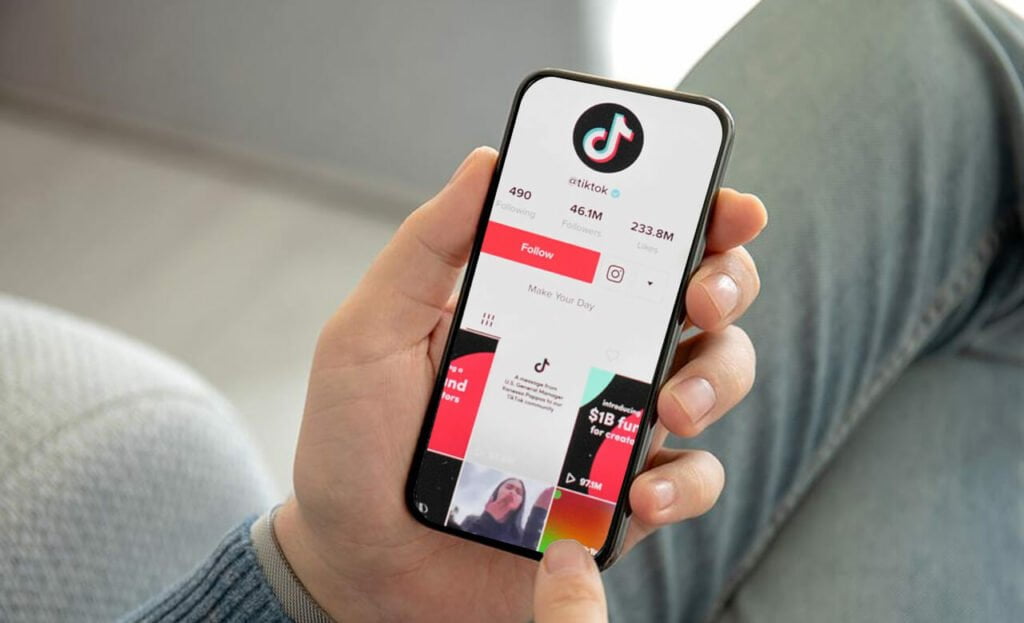
Corporate advertisements often underperform on TikTok because users quickly recognize them as commercial interruptions and scroll past. The highest-performing content typically mirrors the visual style of organic user videos. Agents should film face-to-camera content using standard smartphones, capitalize on natural lighting, utilize trending audio backgrounds when appropriate, and add clear auto-captions to ensure accessibility.
4. Implement Iterative Analytics and Funnel Optimization
Content production must be continuously refined based on performance data. Marketers should closely evaluate key platform metrics, including three-second retention rates, average watch time, video shares, and comment interactions. If an audience consistently drops off during the first two seconds of a video, the introduction or “hook” must be adjusted in future productions. Furthermore, ensuring a seamless transition from a social media video to a mobile-optimized landing page is critical for maintaining conversion rates.
The Complementary Relationship of Creators and Agents
A common misconception within the financial services sector is that the rise of TikTok influencers will eventually make traditional insurance agents obsolete. In reality, these two entities serve complementary functions within the modern customer journey.
Influencers excel at the top of the marketing funnel. They drive mass awareness, break down initial consumer resistance, demystify complex financial concepts, and motivate audiences to think proactively about their risk management needs.
However, social media creators generally lack the technical infrastructure and legal licensing to manage the lower sections of the acquisition funnel. They cannot conduct comprehensive commercial risk assessments, structure intricate multi-carrier commercial portfolios, provide personalized legal advocacy during complex claims disputes, or tailor policies to unique family estates.
The future of insurance marketing belongs to agile brands that construct an integrated ecosystem: utilizing the relatable reach of influencers to capture attention, while relying on the licensed expertise of professional agents to finalize and maintain the consumer relationship.